
Conditions | Prostate Cancer
Prostate Cancer Treatment and Diagnosis
Understanding Prostate Cancer
The prostate is a small gland below the bladder that produces part of the fluid in semen. Prostate cancer develops when cells in this gland grow abnormally. Most prostate cancers grow slowly and stay confined to the prostate, but some are aggressive and require prompt treatment. Risk increases with age, family history, African American ancestry and certain genetic mutations such as BRCA1 and BRCA2.
Symptoms of Prostate Cancer
Early stage prostate cancer usually causes no symptoms, which is why screening matters. As the disease advances, patients may notice:- Difficulty starting or stopping urination
- Weak or interrupted urine stream
- Frequent urination, especially at night
- Blood in the urine or semen
- Pain or burning during urination
- Persistent pelvic, hip or lower back pain
- Erectile dysfunction
How We Diagnose Prostate Cancer
Our diagnostic workup is tailored to your risk profile and prior results. The most common steps include:PSA Blood Test
The prostate specific antigen test measures a protein produced by prostate cells. Elevated levels can indicate cancer, BPH or inflammation. Learn more about the workup for an elevated PSA.Digital Rectal Exam (DRE)
A quick physical exam that lets your urologist feel the prostate for hardness, nodules or asymmetry.Advanced Imaging
Multiparametric MRI can identify suspicious areas within the prostate and guide targeted biopsies for greater accuracy.Prostate Biopsy
When indicated, a targeted or systematic biopsy confirms the diagnosis and grades the tumor with a Gleason score, which helps determine how aggressive the cancer is.Prostate Cancer Treatment Options
Every prostate cancer plan is personalized based on the tumor grade, stage, your age, overall health and personal preferences. We coordinate care across urology and radiation oncology so you get the right treatment at the right time.Active Surveillance
For low risk, slow growing tumors, we may recommend close monitoring with periodic PSA testing, imaging and biopsy rather than immediate treatment. This approach avoids side effects for men whose cancer may never need intervention.Robotic Prostatectomy (daVinci Surgery)
Minimally invasive removal of the prostate using the daVinci robotic surgical system. Compared to open surgery, robotic prostatectomy typically means smaller incisions, less blood loss, shorter hospital stays and faster recovery.Open Radical Prostatectomy
Traditional open surgical removal of the prostate, offered when it is the best fit for your anatomy or clinical situation.External Beam Radiation Therapy
Advanced targeted radiation delivered from outside the body. Techniques we coordinate include:
- Intensity Modulated Radiation Therapy (IMRT)
- Image Guided Radiation Therapy (IGRT)
- RapidArc, an advanced form of IMRT that shortens treatment time
Brachytherapy (Seed Implants)
Small radioactive seeds are placed directly into the prostate to deliver a high dose of radiation from within, sparing surrounding tissue.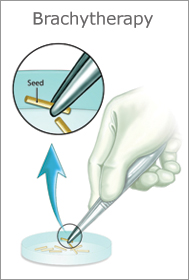
Hormone Therapy (Androgen Deprivation Therapy)
Medications that lower testosterone to slow or shrink prostate cancer. Often combined with radiation for higher risk disease.Cryosurgery
Freezing prostate tissue to destroy cancer cells. Considered for select recurrences or as a primary treatment in certain cases.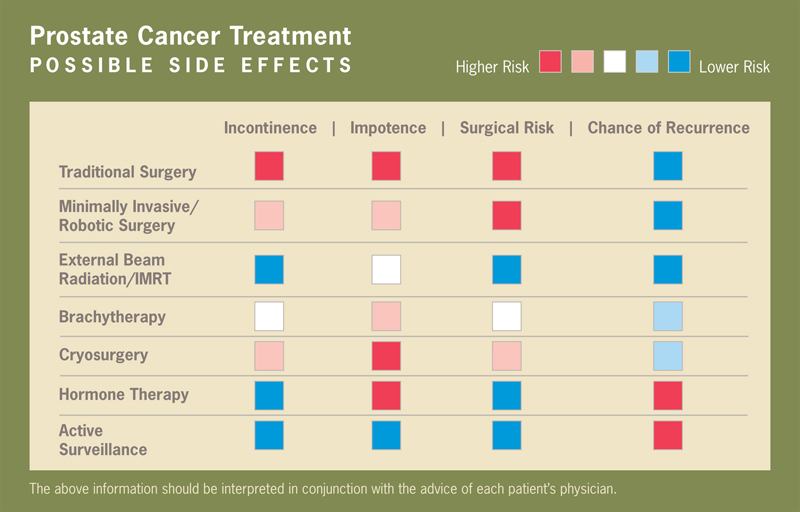
What to Expect During Recovery
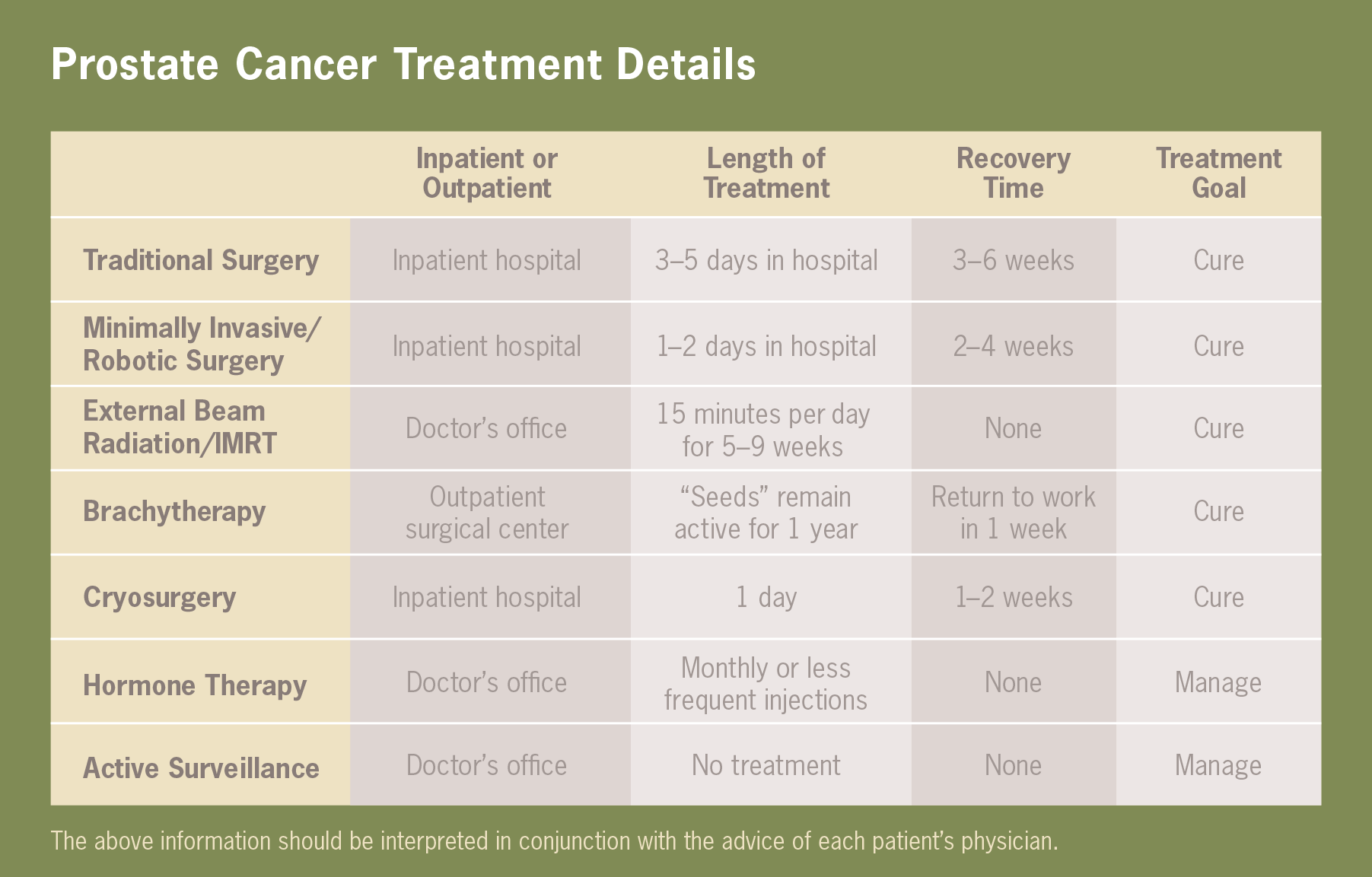
Recovery depends on the treatment you receive. After robotic prostatectomy most patients go home within one to two days, use a urinary catheter for about a week, avoid heavy lifting for four to six weeks and gradually return to normal activity. Temporary urinary leakage and erectile changes are common and typically improve over the following months with pelvic floor therapy and follow up care. Radiation therapy patients usually continue normal daily activities during treatment, with fatigue and urinary or bowel changes managed as they arise. Our team provides written aftercare instructions and a direct line for questions at every stage.Prostate Cancer Screening: When to Start
Guidelines from major urologic and cancer organizations suggest men discuss PSA screening with their urologist starting at age 50, or earlier for higher risk groups. Talk to your provider at age 40 if you have a first degree relative with prostate cancer or if you are African American. Regular screening finds cancer earlier, when treatment is most effective and least invasive.Related Conditions
Schedule Your Consultation
Prostate cancer outcomes improve when the disease is caught and treated early. Our urologists offer PSA screening, biopsy, robotic surgery and coordinated radiation oncology under one team. Request an appointment online or call the Great Lakes Urology office most convenient to you.